
What We Miss When We’re Stuck Looking Down
Every day, countless moments unfold around us, yet only a fraction become memories we carry forward. A familiar street, an unexpected conversation, or the way sunlight falls across a building might seem unremarkable at the time. But research into attention, memory, and the emotion of awe suggests that how we engage with our surroundings can influence what we notice, experience, and ultimately remember.
In a world where attention is constantly divided between screens, schedules, responsibilities, and destinations, being physically present does not always mean being mentally engaged. We can move through an environment without truly observing it, overlooking experiences that might otherwise become meaningful memories.
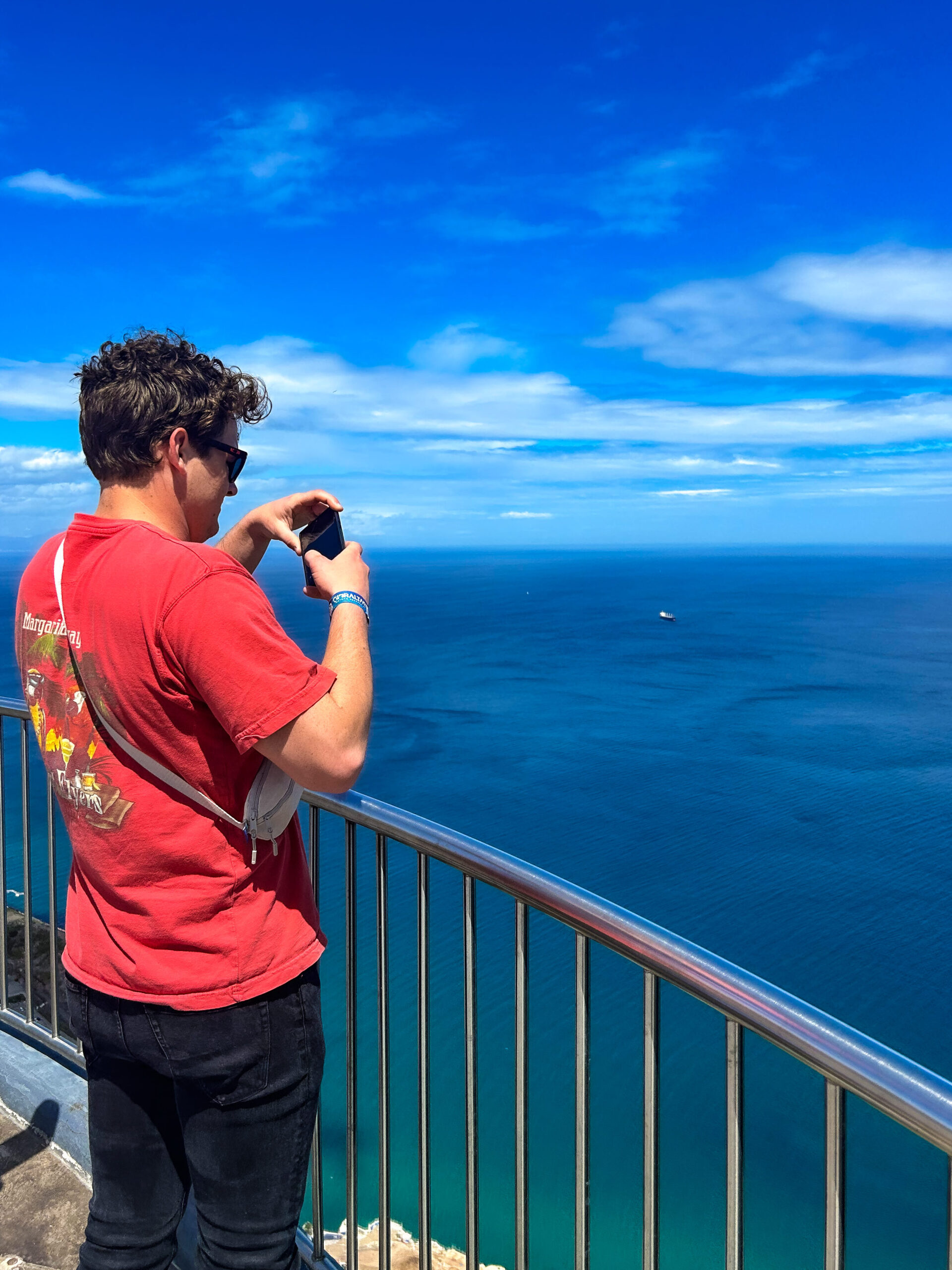
The challenge is not simply to spend less time looking at our phones. It is to become more conscious of where we direct our attention.
The Science of Noticing
Attention plays a fundamental role in how memories form. While the brain cannot preserve every detail of an experience, what we notice and engage with influences which information becomes available for later recall.
Research on awe offers another perspective on this relationship.
In a 2024 review published in Nature Reviews Psychology, Jiang and colleagues examined the psychological effects of awe, an emotion often experienced when encountering something vast, extraordinary, or difficult to comprehend within our existing understanding of the world.
Their findings suggest that awe can alter how individuals perceive themselves and engage with their surroundings, encouraging a shift in perspective beyond everyday concerns.
Experiencing awe doesn’t necessarily mean standing beneath the Leaning Tower of Pisa or looking out from the Rock of Gibraltar. Research also recognizes everyday experiences of awe, suggesting that moments of wonder can emerge in familiar environments.
Sometimes, noticing something extraordinary begins with paying attention to something ordinary.
The Memories That Stay
For Mark Pollard, one enduring memory involves his young daughter climbing a tree and calling out, “Hey, Daddy, look at me.”

It was an ordinary childhood moment, but one that remained meaningful long after the experience itself had passed.
Other memories emerge from more extraordinary settings. During a family trip to Italy, playful photographs taken around the Leaning Tower of Pisa transformed a famous landmark into a personal memory shaped by laughter and shared experience.

These recollections illustrate an important distinction: the significance of a memory does not necessarily depend on the significance of its setting.
A remarkable destination might capture our attention, but it is often our interactions, emotions, and personal connections that give an experience meaning.
Making Room for Memories
Looking up is not necessarily about putting away technology, travelling somewhere new, or searching for extraordinary experiences.
It can mean noticing the architecture along a familiar route, watching the changing colours of an evening sky, or allowing an unexpected moment to interrupt a carefully planned day.

It also means recognizing that attention is something we can direct intentionally, even when the world around us continually competes for it.
Photographs can preserve what a moment looked like, but they cannot fully capture what it felt like to experience it. That requires something more personal: our presence within it.
We cannot choose every memory that stays with us, but we can choose whether we are present enough to experience the moment in the first place.

By looking up, we give a moment its best chance of becoming a memory that lasts.